
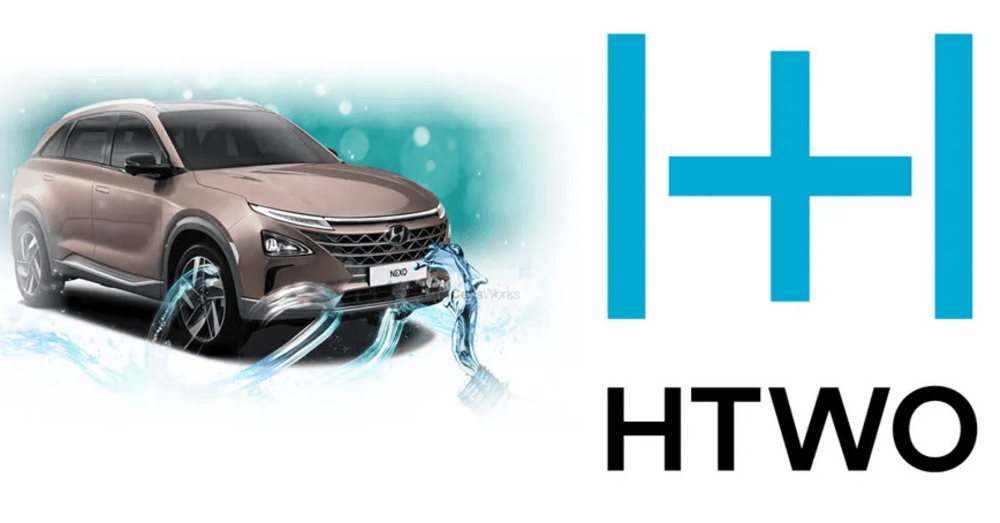
Hyundai Motor Group just made its loudest statement yet on hydrogen. At the H2&FC EXPO in Tokyo on March 17, 2026, the automaker officially debuted HTWO, a dedicated hydrogen business brand designed to pull together everything the group is doing in fuel cell technology, refueling infrastructure, and clean energy systems. And they brought a fully redesigned Nexo to prove they mean it.
- Hyundai Motor Group launched HTWO as its standalone hydrogen brand and business platform at the H2&FC Expo in Tokyo, signaling a major expansion of its hydrogen ambitions worldwide.
- The all-new Hyundai Nexo FCEV debuted at the event with 252 horsepower, a projected 514-mile driving range on the WLTP cycle, and a five-minute hydrogen refill time.
- HTWO covers the full hydrogen value chain, from production and storage to fuel cell systems and mobility, with technology that will eventually filter across the Hyundai and Kia lineups.
What HTWO Brings to the Table
The name HTWO blends “H2” for hydrogen with “two,” a reference to hydrogen and humanity working toward cleaner energy together. But this isn’t just branding for the sake of a press release. HTWO operates as an open platform for partnerships, investment, and development across the full hydrogen picture. That includes fuel cell systems, hydrogen production, storage, transportation, and refueling infrastructure.
For anyone who drives a Hyundai or Kia today, this matters more than you might think. Both brands share platforms, engineering resources, and long-term technology strategies under the Hyundai Motor Group umbrella. When the parent company pours billions into hydrogen, the ripple effects touch everything from manufacturing processes to the powertrains showing up in future models. Even if you’re shopping for something like a Kia Forte for sale on the used market, you’re buying into a brand family that’s placing real bets on what comes next.
The Redesigned Nexo Takes Center Stage
The star of the Tokyo expo was the all-new Hyundai Nexo. Fully redesigned for the first time since its 2018 debut, the new Nexo puts the group’s hydrogen work into something you can actually drive.
With 252 horsepower of total system output, a projected 514-mile driving range on the WLTP cycle, and a five-minute hydrogen refill, the numbers tell a compelling story on their own. That refill time puts it right alongside gasoline vehicles and well ahead of battery EV charging speeds, which remains one of hydrogen’s biggest selling points.
A notable feature on the Japan-spec model is Vehicle-to-Home capability, called V2H. During emergencies like earthquakes or power outages, the Nexo can supply stable electricity to a home. Hyundai designed this feature specifically for the Japanese market, where natural disaster preparedness carries real weight. Pricing and full specs for the Japan-spec Nexo are expected in the first half of 2026.
Hydrogen Tech on Display at Tokyo Big Sight
The HTWO booth at Tokyo Big Sight went well beyond a single SUV. Exhibits spread across the venue included a packaged hydrogen refueling station concept, a hydrogen tram, fuel cell buses and trucks, and an automatic charging robot. Kia’s own Robotics Lab helped develop the Automatic Charging Robot for Hydrogen Electric Vehicles, known as ACR-H, showing just how deeply both brands are woven into this hydrogen push.
On March 18, Duckwhan Kim, Vice President of Hydrogen and Fuel Cell Engineering Design Group 1 at Hyundai Motor Group, presented a conference session covering the group’s fuel cell development history and its growing FCEV portfolio. The group also met with Hydrogen Council members in Japan, in its role as co-chair, to push forward joint efforts on growing the hydrogen economy in both countries.
Over the long term, Hyundai aims to replace around 5,000 LNG-based burners used in domestic manufacturing with hydrogen-based systems. Plans are already in motion to bring the same approach to production facilities in North America and Europe. That kind of manufacturing shift affects every vehicle rolling off the line, whether it carries a Hyundai badge or a Kia badge.
Why Hydrogen Should Be on Every Car Buyer’s Radar
You might wonder why any of this matters if you’re shopping for an affordable sedan or SUV today. The short answer is long-term value. Hyundai Motor Group’s investment in hydrogen and electrification means future models across both the Hyundai and Kia lineups will benefit from cleaner manufacturing, improved powertrain technology, and potentially hydrogen-powered options down the road.
The second-generation Nexo fits into Hyundai’s wider electrification strategy, sitting alongside its battery-electric and hybrid models as a hydrogen alternative. With HTWO now operating as a standalone brand with global ambitions, the pace of development is only going to pick up. Whether you’re buying new or used today, you’re investing in a brand ecosystem that’s building toward something bigger.
